
The Role of A/B Testing in Improving Deposit Flows
Jan 30, 2026
Fluid
Explore how A/B testing can enhance deposit flows in Malta's iGaming sector by identifying user preferences and optimizing payment options.

A/B testing is a powerful way to boost deposit conversions in Malta's iGaming sector. By comparing two variations of a deposit flow, operators can identify what works best for users. Simple tweaks - like reducing form fields or prioritising local payment methods - can significantly improve completion rates. Importantly, all tests must comply with Malta's strict regulations, including KYC and GDPR.
Key Points:
Why It Matters: Deposit friction leads to user drop-offs. A/B testing helps remove obstacles.
What to Test: Payment methods, form layouts, and verification steps.
Localisation: Use Euro (€) formatting, British English, and preferred Maltese payment options like SEPA, Skrill, and Neteller.
Compliance: Testing must align with MGA rules, GDPR, and anti-fraud measures.
Tools: Platforms like Fluid simplify testing with real-time analytics and secure data handling. Results help operators fine-tune deposit flows, boosting conversions and user satisfaction.
A/B Testing - Conversion Rate Optimization Course - Lesson 1
Key Variables to Test in Deposit Journeys
When optimising deposit flows for European players, A/B testing can help uncover the most effective ways to present payment options. By experimenting with various methods and layouts, you can pinpoint what drives better engagement and higher conversion rates. Here are some key areas to focus on:
Payment Methods and Options
Card Payments: Experiment with different layouts for traditional card payments to see which designs encourage more users to complete their deposits.
E-wallets: Test how platforms like Skrill, Neteller, and PayPal are displayed. Small tweaks in presentation could lead to noticeable improvements in deposit rates.
Bank Transfers: Assess how bank transfer options are shown to ensure they’re clear and user-friendly, reducing any friction in the process.
Cryptocurrency Payments: Try different ways of showcasing cryptocurrency options to find a format that resonates with users who prefer crypto transactions.
Localised Payment Options: Ensure payment methods display amounts in Euro (€) and are tailored to local preferences. This can make the process feel more intuitive and boost conversions.
How to Design and Run A/B Tests
Running A/B tests effectively requires a structured approach that balances actionable insights with maintaining user trust and security.
Steps to Design an A/B Test
Start by setting clear, measurable goals. For example, aim to increase deposit completion rates by 15%. Then, segment your users thoughtfully - consider factors like device type, location within Malta, payment preferences, and deposit history. These segments help ensure your test results are both relevant and practical.
For most tests, a 50/50 split between variations works well. However, if you're testing something riskier, a 90/10 split can minimise potential disruptions. Allow the test to run for one to two weeks and aim for 95% confidence in your results to avoid drawing conclusions from incomplete or misleading data.
Keep an eye on multiple metrics, not just your primary goal. For instance, while tracking deposit completion rates, also monitor metrics like time spent on the page, error rates, and customer support queries. Improvements in one area might unintentionally cause issues elsewhere, so a holistic view is crucial.
Finally, tailor your strategies to align with expectations and behaviours specific to Malta.
Adapting A/B Tests for Malta
To make your tests resonate with Maltese users, you need to account for local nuances. For starters, always use Euro (€) formatting in the style Maltese users are accustomed to: €1,234.56 for thousands and decimal separators. This consistency avoids confusion and keeps the user experience smooth.
Stick to British English spelling when crafting your test variations. Words like "authorise", "recognise", and "colour" should follow these conventions, as they align with what Maltese users expect. Inconsistent spelling can undermine trust in your platform's professionalism.
When testing payment methods, factor in local banking preferences. Many Maltese users favour specific local bank transfer options or certain e-wallet providers. Tailor your tests to reflect these preferences instead of relying on strategies that work in other markets.
Timing is another important consideration. Avoid running critical payment tests during Maltese holidays or major events, as these can skew user behaviour. Similarly, remember that peak activity times for Maltese users may differ from those in other European countries.
Compliance and Security Requirements
Every A/B test must adhere to key regulations like GDPR, AML, and PCI standards. This includes maintaining audit trails and ensuring your tests align with fraud prevention measures.
GDPR compliance should be built into your tests from the start. Make sure you have proper consent mechanisms for any data collection and clearly communicate how player behaviour data will be used to improve the payment experience. Keep detailed records of data processing to demonstrate lawful handling.
Collaborate with Fluid's security features to ensure your tests don’t disrupt fraud detection systems. The platform’s AI-powered fraud prevention relies on consistent data patterns, so sudden changes in user behaviour caused by your tests could lead to false positives - or worse, missed fraud attempts.
Plan your data retention and deletion policies carefully. Determine how long you’ll keep test-related user behaviour data, ensuring this aligns with GDPR and your internal data governance rules. Clear timelines help avoid compliance issues and maintain player trust.
Lastly, establish audit trails for all changes related to your tests. Regulators may require insight into why certain adjustments were made, particularly if they impact player protection or financial controls. Keeping detailed records of your methodology and results showcases a responsible and transparent approach to testing.
Tools for Payment Flow Testing
Selecting tools tailored for iGaming payments can significantly improve deposit performance. While many platforms offer basic testing functionalities, opting for a solution specifically built for iGaming ensures you get the insights and flexibility needed to fine-tune conversion rates. Let’s explore how Fluid's features provide operators with actionable data for testing and optimisation.
Fluid's A/B Testing Features
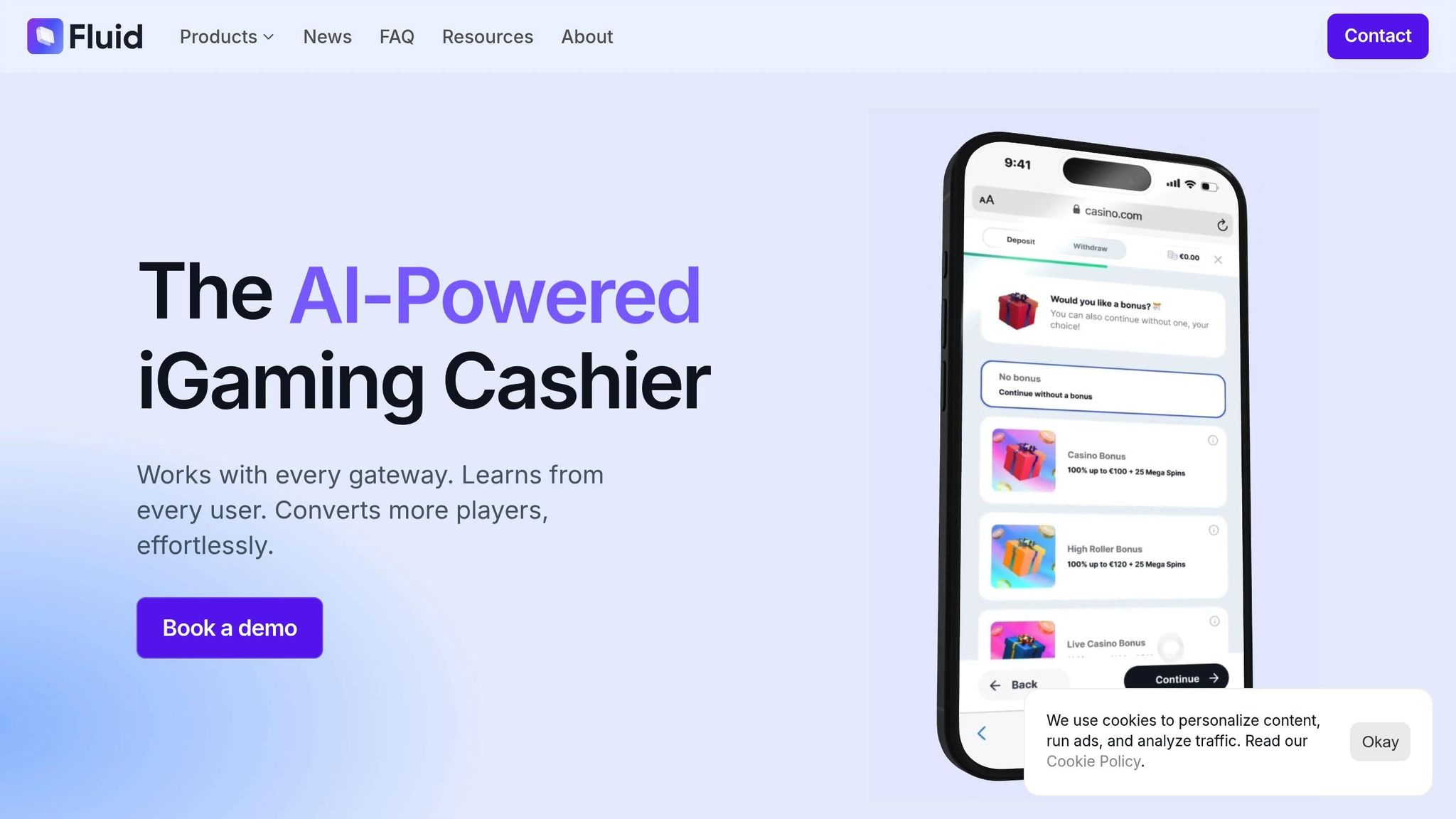
Fluid's AI-powered digital cashier offers cutting-edge testing tools. Its artificial intelligence analyses user behaviour in real-time, tailoring payment journeys to different user groups as they interact with the platform.
One standout feature is its real-time analytics dashboard. This tool provides instant visibility into test outcomes, such as conversion rates, drop-off points, and user engagement. With this immediate feedback, you can quickly identify and address issues before they impact a significant number of users.
Security is a top priority, and Fluid incorporates advanced fraud detection across all test variations. This ensures that while experimenting with payment flows, security remains uncompromised.
Fluid also seamlessly integrates with your brand identity, maintaining a consistent look and feel throughout the payment process. Designed with a mobile-first approach, it ensures smooth performance on smartphones and tablets - critical in Malta, where mobile usage is notably high.
Additionally, Fluid supports multiple currencies and cryptocurrencies, allowing Malta-based operators to test Euro transactions alongside alternative payment methods, catering to a diverse audience.
How to Integrate Fluid for Testing
Fluid’s integration process is designed to be straightforward and minimally disruptive. All it takes is adding two lines of JavaScript, enabling you to start testing payment flows almost immediately.
The platform works effortlessly with your existing payment gateway or orchestration system, meaning there’s no need to overhaul your current setup. Fluid also allows you to run multiple gateways simultaneously, giving you the ability to test different payment providers side-by-side. This approach improves uptime, optimises routing, and enhances the overall user experience - all without requiring changes to your existing code.
In October 2025, iConvert, a conversion platform for iGaming, teamed up with Fluid. This partnership combined Fluid's intelligent cashier technology with iConvert's behavioural tools and personalised overlays. As a result, iConvert's overlays now integrate directly with Fluid, creating a more dynamic testing environment.
Once integrated, you can easily configure test scenarios using Fluid's intuitive interface. Whether it’s testing the order of payment methods, the steps in a checkout flow, or the placement of call-to-action buttons, Fluid allows you to create and run test variations without additional coding.
The system also automates secure data collection, adhering to the strict security standards expected in Malta's iGaming industry.
Finding and Fixing Friction Points
Pinpointing where users encounter obstacles in your deposit process requires a structured approach to data analysis. Each drop-off reveals a potential issue in the user experience, offering an opportunity for improvement.
Using Data to Find Problems
Drop-off rate analysis is one of the most effective ways to identify friction points. By monitoring completion rates at every stage of the payment flow, you can uncover where users struggle. For example, if 85% of users complete the payment method selection step but only 60% proceed to enter their card details, you’ve found a critical issue that demands immediate attention.
Failed transaction logs are another valuable resource. These logs can highlight technical issues that aren’t immediately obvious from user behaviour. Patterns like frequent declined payments, timeout errors, or gateway failures can indicate that specific payment methods or user groups are encountering consistent problems.
Collecting user feedback through exit surveys or support tickets provides qualitative insights that data alone can’t offer. Users might report confusion about unclear error messages, frustration with lengthy verification processes, or concerns about security requirements. This feedback helps prioritise the most pressing friction points affecting satisfaction.
Heat mapping tools also offer a clear picture of user behaviour. These tools show where users click, scroll, or hesitate during the deposit process. Excessive clicks or long hover times often signal confusion. Pairing heat maps with session recordings can reveal whether users are navigating your interface smoothly or struggling to find key elements like payment buttons or security details.
For Malta-based operators catering to diverse European audiences, geographic and device-specific analysis is crucial. Mobile users, for instance, may face unique challenges compared to desktop users, such as difficulties with two-factor authentication or complex form fields on smaller screens.
These metrics lay the groundwork for understanding the results of A/B tests and making informed decisions.
How to Read Test Results
Reading A/B test results goes beyond just comparing conversion rates. It’s about understanding the broader impact on user experience. Statistical significance ensures the results are reliable, but practical significance determines whether the changes are worth implementing.
Metric | Version A | Version B | Improvement | Statistical Significance |
|---|---|---|---|---|
Completion Rate | 72.3% | 78.9% | +6.6% | 99.5% confidence |
Average Completion Time | 3.2 minutes | 2.7 minutes | -15.6% | 98.2% confidence |
Failed Attempts | 8.4% | 5.1% | -39.3% | 99.8% confidence |
Approval rates are a key metric to monitor. A higher completion rate is meaningless if it comes at the expense of transaction success due to security or compatibility issues.
Completion times are equally important. Shorter times often lead to better user retention and more frequent deposits. However, speeding up the process too much might compromise security, so it’s essential to strike a balance between efficiency and thoroughness.
Segmented analysis helps you see how different user groups respond to changes. For instance, new players might react differently to interface updates compared to returning customers. Similarly, high-value depositors often have different expectations from casual players making smaller transactions.
Keep an eye on secondary metrics like support ticket volumes, chargeback rates, and satisfaction scores. Sometimes, changes that boost conversions can inadvertently create confusion, leading to higher support costs or increased security risks.
The insights from these metrics guide the next steps in refining your deposit process.
Making Changes Based on Results
Turning test results into actionable improvements requires a clear and structured approach. Start with changes that offer the most impact for the least effort. For example, if moving a call-to-action button boosts conversions by 12% and requires minimal development work, prioritise implementing this change first.
Use a gradual rollout strategy to minimise risk. Deploy successful variations to a small percentage of users - say 25% - and monitor for any unintended consequences, such as security concerns or performance issues, before rolling it out to everyone.
Documenting changes is essential. This ensures your team understands why specific modifications were made and allows you to reference successful strategies in future projects. Include screenshots, performance data, and user feedback for each change.
After implementation, continuous monitoring is critical. User behaviour and expectations evolve over time, and what works today might lose effectiveness as new payment technologies or trends emerge.
Consider seasonal and market factors when applying changes. Deposit patterns can shift during major events like holidays or sporting tournaments, so test results from quieter times may not hold up during peak periods.
Lastly, ensure cross-device consistency. A change that improves desktop performance might cause issues on mobile devices, particularly given Malta’s mobile-heavy user base. Always test updates across all platforms to avoid creating new friction points.
Improving deposit flows isn’t a one-off task - it’s an ongoing process. As user expectations shift, new payment methods arise, and regulations evolve, regular testing and optimisation are essential to maintaining a seamless and user-friendly experience.
Conclusion: A/B Testing Results for Deposit Flows
A/B testing transforms deposit flows into a precise, data-driven process. As we've seen, refining deposit flows not only boosts conversion rates but also ensures compliance is upheld. Through consistent testing and adjustments, operators can improve user satisfaction, increase revenue, and achieve better overall results. These findings provide a solid foundation for actionable strategies moving forward.
Key Takeaways
Targeting the right variables leads to measurable gains. Tweaks like repositioning payment buttons, refining call-to-action text, or simplifying form fields can significantly improve completion rates. Even minor adjustments can make a difference.
Tailored approaches are key in Malta's regulatory and local context. Players in Europe expect familiar payment options, clear fee structures, and support in multiple languages, making it crucial to adapt testing strategies accordingly.
Statistical soundness must align with practical objectives. While ensuring test results are statistically reliable is important, the ultimate aim is to improve user experience and drive business growth.
Continuous monitoring keeps you ahead. User behaviour evolves with market trends, seasonal shifts, and emerging payment technologies. What works today might require tweaking during high-demand periods like major sporting events or holidays.
Fluid’s automation tools simplify payment journey optimisation by analysing real-time user behaviour. These tools automatically adjust deposit flows while maintaining the security and compliance standards required in Malta, enabling operators to scale improvements effectively.
With these insights, operators are now equipped to take focused, impactful action.
Next Steps for Operators
Start with the biggest pain points. Analyse where users most frequently abandon deposits and prioritise testing in those areas. Be mindful of your operational calendar to avoid skewing results during events or system updates.
Develop a structured testing plan. Allow sufficient time to gather meaningful data before implementing significant changes.
Leverage reliable testing tools. Platforms like Fluid’s integrated A/B testing features simplify the technical process of running experiments while ensuring adherence to regulatory requirements.
In the competitive iGaming market, operators who focus on creating seamless and trustworthy deposit experiences not only improve conversion rates but also foster player loyalty. By embracing systematic testing now, operators can position themselves to gain a stronger foothold in the market.
FAQs
How can A/B testing enhance the deposit experience for iGaming users in Malta?
A/B testing gives iGaming platforms the chance to trial different elements of the deposit process, including payment methods, user interface (UI) design, and call-to-action placements. This helps pinpoint what resonates most with users and eliminates hurdles that might disrupt their experience.
For operators in Malta, this approach is particularly useful in fine-tuning deposit flows. By addressing user preferences - like popular payment methods in euro (€) and easy-to-navigate interfaces - platforms can improve conversion rates. The end result? A smoother deposit process that enhances player satisfaction and increases the likelihood of successful transactions.
What compliance factors should be considered when running A/B tests on deposit flows in Malta's iGaming industry?
When running A/B tests on deposit flows in Malta’s iGaming industry, making sure you comply with local laws and industry guidelines is absolutely essential. This means sticking to the Malta Gaming Authority (MGA) rules, which cover areas like responsible gaming, data protection, and fair treatment of players.
Some key points to keep in mind include getting clear user consent before testing, safeguarding data in line with GDPR regulations, and steering clear of any tests that might mislead or unfairly impact players. Always keep a detailed record of your testing procedures and results to ensure transparency and accountability. If you’re unsure about any aspect, it’s a good idea to seek advice from a compliance expert who knows Maltese regulations inside out.
How can operators design A/B tests that align with Malta's local preferences and regulations?
To run successful A/B tests in Malta, it's crucial for operators to align with both local and EU regulations, including the guidelines outlined by the Malta Financial Services Authority (MFSA). Beyond compliance, these tests should reflect local preferences, such as displaying prices in euros (€), using the DD/MM/YYYY date format, and applying the metric system for any measurements.
It's equally important to consider cultural subtleties. Ensure that language, spelling, and visual elements are tailored to resonate with Maltese users. By factoring in these details, operators can create A/B tests that not only adhere to regulatory requirements but also provide a more engaging and relevant experience for users, ultimately improving outcomes.