
Payment Orchestration in iGaming: What Operators Should Know
Oct 31, 2025
Fluid
Explore how payment orchestration is reshaping transaction management for iGaming operators in Malta, enhancing efficiency and compliance.
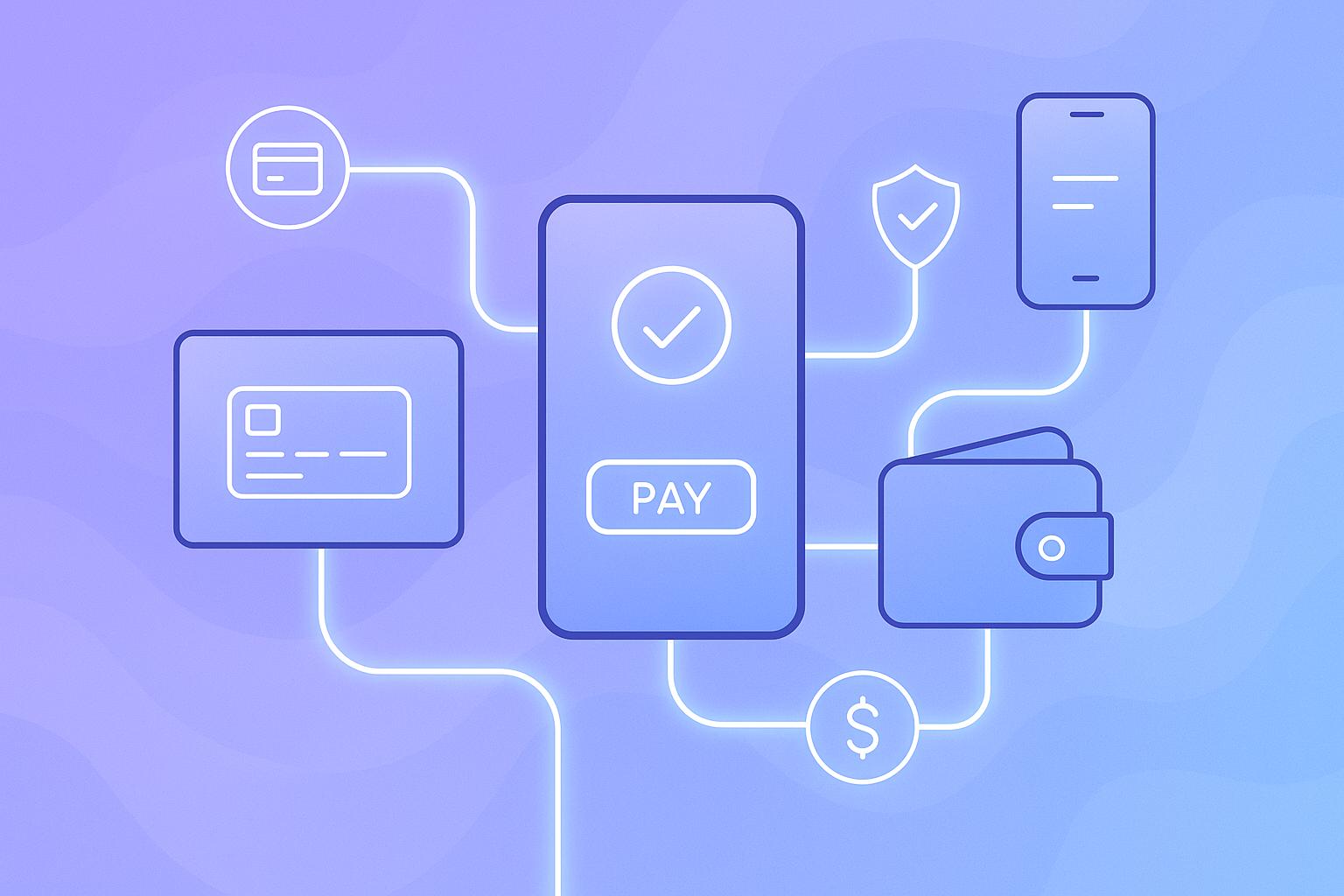
Payment orchestration is transforming how Malta's iGaming operators manage transactions. By centralising payment processes, operators can handle multiple providers, reduce costs, and improve player satisfaction - all while staying compliant with Malta Gaming Authority (MGA) regulations. Here's what you need to know:
Centralised Control: Manage all payment providers and methods through one platform, simplifying operations and reducing manual work.
Improved Payment Success: AI-powered routing boosts approval rates by up to 15% and reduces declines to below 15%.
Fraud Prevention: Advanced systems cut fraudulent transactions by 15%, protecting both players and operators.
Compliance Made Easy: Automated tools ensure adherence to AML, CFT, and GDPR requirements, including MGA-specific standards like monitoring "Markers of Harm".
Player Experience: Faster deposits, instant payouts, and multiple payment options reduce cart abandonment and build trust.
Operators in Malta must also navigate unique challenges like age restrictions (25+ for residents, 18+ for non-residents) and cross-border payments. Payment orchestration platforms like Fluid simplify these complexities, offering tailored solutions for the iGaming sector. With features like real-time analytics, automated reporting, and mobile-first design, these systems are essential for staying competitive in a regulated market.
The ROI of Payment Orchestration: Denys Kyrychenko on Payment Agenda
Centralized Payment Management: Key Components and Benefits
Modern iGaming operators often manage a wide array of payment relationships, which can quickly become a drain on resources. Centralized payment management simplifies this complexity by providing a single interface that offers complete oversight and control of the entire payment ecosystem.
Managing Multiple Payment Providers and Methods
For Maltese iGaming operators catering to a global audience, working with multiple payment providers is essential. However, without a centralized system, this means handling separate contracts, integrations, reporting systems, and reconciliation processes for each provider. The workload becomes even more challenging when providers use varying data formats, settlement schedules, and reporting standards.
A centralized platform changes the game by consolidating these relationships into one unified dashboard. It allows operators to monitor transactions from all providers in one place, removing the need to juggle multiple portals or manually reconcile data from different sources.
This setup also turns what could be a logistical headache into a competitive edge. European players, for example, often prefer local payment options. A centralized system makes it easier to offer these methods while managing multiple currencies becomes far simpler. Instead of maintaining separate accounts for each currency, operators can view all transactions in one interface, with the platform automatically handling currency conversion, settlement differences, and compliance reporting.
All of this streamlining leads naturally to real-time performance monitoring, an essential tool for effective payment management.
Real-Time Analytics and Reporting Benefits
Centralized management becomes even more powerful when paired with real-time analytics. Unlike traditional payment setups, where operators might wait days or weeks for transaction data, real-time analytics provide instant insights into payment performance across all channels and methods.
These tools allow operators to track approval rates and automatically redirect payment traffic to address any performance issues. Geographic performance monitoring is another advantage. Operators can spot regional trends - such as varying transaction success rates at different times of the day - and take proactive steps to optimise outcomes.
Compliance with Malta’s regulatory standards also becomes less burdensome. Centralized analytics aggregate data from all payment providers, making it easier to generate the detailed reports required by regulators. Additionally, operators gain a clearer understanding of the actual costs associated with different payment methods. What might initially appear as a cost-effective option could reveal hidden expenses when all factors are considered.
Simplified Reconciliation and Settlements
Reconciliation is one of the most time-consuming tasks for finance teams, especially when dealing with different settlement file formats. A centralized system automates much of this work, matching transactions and flagging genuine discrepancies that need attention.
This automation not only saves time but also allows finance teams to focus on resolving real issues rather than manually sifting through data. Settlement schedules also become easier to manage, as operators can view all settlements in a unified calendar instead of tracking each provider’s timeline separately. The system can even forecast cash flow based on historical settlement patterns, improving financial planning.
When disputes arise, a centralized system streamlines the process by providing instant access to a complete payment trail. This transforms dispute management into an organised, efficient workflow.
AI-Driven Payment Routing and Optimisation
By leveraging centralised management, AI-powered payment routing takes transaction handling to a new level. It constantly analyses transaction patterns and adapts in real time to choose the best payment path. This dynamic approach works hand-in-hand with centralised management, as previously discussed.
How AI Enhances Payment Success Rates
Traditional payment routing relies on fixed rules - if one provider fails, another is tried next in line. AI, however, takes a smarter approach. It evaluates multiple real-time factors, such as the player's location, the payment method, transaction amount, time of day, past success rates, and current provider performance. By analysing these variables, AI dynamically selects the best payment path, increasing approval rates and reducing declines.
This reduction in transaction failures has a ripple effect. Fewer failed payments mean less cart abandonment, which is particularly important for first-time users. Additionally, by limiting the need for multiple payment attempts, operators save on processing fees and improve operational efficiency.
Dynamic Currency Conversion for Cross-Border Transactions
AI doesn’t just stop at routing - it also refines currency conversion for cross-border transactions. Given Malta’s role as a hub for an international audience, operators often deal with payments in various currencies, from pounds sterling to euros and beyond. AI-driven dynamic currency conversion goes beyond simple exchange rate calculations. It examines real-time rates across providers and factors in the total transaction cost, including fees and settlement delays.
This intelligent system tailors each transaction to the player’s location, preferred currency, and live market conditions. The result? Competitive rates and smoother transactions, benefiting both players and operators alike.
Mobile-First Design and Player Experience
Since mobile gaming now dominates the iGaming world, payment solutions must cater specifically to mobile users rather than being repurposed from desktop systems. AI-driven mobile payment optimisation plays a key role in meeting this demand.
AI enhances the mobile payment experience by learning user behaviours. Features like one-click checkouts, voice assistants, and chatbots make transactions faster and more intuitive. These systems also provide real-time fraud detection using behavioural analytics. Moreover, AI remembers each player's preferred payment methods and typical transaction amounts, offering tailored options for returning users and simplifying the deposit process.
This focus on mobile payments ensures a seamless and secure experience, empowering players to deposit funds quickly and dive straight into their gaming sessions without unnecessary delays. By prioritising speed, security, and ease of use, AI transforms the way players interact with iGaming platforms.
Advanced Fraud Prevention and Compliance Tools
After optimising transactions with dynamic routing, the next step is ensuring secure payments through fraud prevention and compliance tools. Payment orchestration platforms combine these tools with AI-driven routing to create a robust framework that safeguards operators and players while meeting regulatory demands.
AI-Powered Fraud Detection and Risk Scoring
Modern fraud detection systems analyse patterns in transactions, such as player behaviour, device details, geolocation, and transaction speed, to assign risk scores. These systems are powered by AI, which adapts to new fraud tactics, making them far more flexible than traditional rule-based approaches.
For instance, the system might flag unusual behaviour like a player suddenly changing their gaming habits, making deposits from an unexpected location, or using a payment method that doesn’t align with their history. Over time, machine learning algorithms refine their accuracy, reducing false alarms while identifying even the most sophisticated fraud attempts.
Risk scoring is done at a granular level, evaluating each transaction individually rather than applying blanket decisions. This ensures legitimate high-value transactions aren’t unnecessarily blocked while genuinely suspicious ones are flagged. On top of that, AI can predict transactions likely to result in chargebacks by analysing factors like payment method risks and past chargeback trends, helping operators act before disputes arise.
These advanced fraud detection capabilities seamlessly integrate with broader compliance measures.
Compliance with MGA and EU Regulations
Operators licensed by the Malta Gaming Authority (MGA) must adhere to stringent anti-money laundering (AML) rules and keep detailed transaction records. Payment orchestration platforms simplify this process with built-in monitoring and reporting tools.
For example, transaction monitoring systems automatically detect signs of money laundering, such as rapid deposits quickly followed by withdrawals, unusual betting patterns, or transactions that exceed predefined thresholds. These systems also generate audit trails, ensuring every transaction is thoroughly documented for compliance purposes.
In European markets, GDPR compliance is critical. Payment platforms prioritise data protection by encrypting sensitive information and controlling access. They also accommodate data subject requests, such as correcting or deleting personal information, while retaining essential records for regulatory needs.
Know Your Customer (KYC) checks are seamlessly integrated, automatically verifying identities for high-risk transactions. Additionally, payment systems support responsible gaming by enforcing deposit limits, self-exclusion options, and cooling-off periods, ensuring players cannot bypass these measures.
Automated reporting tools further simplify compliance processes.
Automated Regulatory Reporting
Manual reporting for regulatory compliance can be both time-consuming and prone to errors. Payment orchestration platforms automate this process by pulling transaction data, compliance metrics, and suspicious activity reports directly from the system.
For example, when AI detects potential money laundering or fraud, it generates Suspicious Transaction Reports (STRs) containing critical details like transaction values, timings, and the specific indicators that raised the alert. This ensures timely submissions to relevant authorities while maintaining detailed documentation.
For cross-border payments, platforms track reporting requirements across different jurisdictions. They automatically generate reports when transactions exceed set thresholds, accounting for factors like currency fluctuations and cumulative transaction amounts.
Audit trails are also automated, with systems storing transaction records, decision logs, and compliance actions for the required retention periods. This level of documentation is particularly useful during regulatory reviews, providing clear evidence of compliance efforts.
Real-time compliance dashboards give operators instant insights into their compliance status. By monitoring metrics like transaction volumes, risk scores, and reporting deadlines, these dashboards allow operators to manage their obligations proactively and efficiently.
Fluid: AI-Powered Digital Cashier for Maltese iGaming Operators

Malta's thriving iGaming industry plays a vital role in the economy, making secure and scalable payment solutions a must-have for operators. These solutions must not only handle the industry's vast scale but also meet stringent regulatory requirements while delivering a seamless user experience. Fluid is designed to bridge these gaps, offering a platform that balances operational demands with compliance needs.
Fluid takes payment processing to the next level by replacing standard interfaces with an AI-powered, personalised payment journey. This system adapts to each player's behaviour, creating a tailored experience that goes beyond basic transactions, ultimately improving both conversion rates and operational performance.
Core Features of Fluid
Fluid delivers a centralised payment management system enhanced by real-time AI, ensuring every interaction is tailored to the player. From recommending payment methods to guiding bonus selections, the platform simplifies the payment process, reducing friction and increasing deposit completion rates.
What sets Fluid apart is its ability to integrate seamlessly with a brand's visual identity, ensuring a consistent and polished user experience throughout the payment journey.
Operators gain access to real-time analytics and detailed user insights, offering a clear view of payment performance. These tools help track user activity, assess affiliate quality, and recover failed transactions, enabling operators to fine-tune their payment flows for maximum effectiveness.
Fraud prevention is another standout feature. Fluid employs AI-driven risk scoring specifically designed for iGaming transactions, identifying legitimate high-value activities while flagging potential fraudulent behaviours. This targeted approach ensures both security and operational fluidity.
How Fluid Improves Operational Efficiency
Fluid isn't just about features - it’s about simplifying operations. Its integration process is incredibly straightforward, requiring only two lines of JavaScript for setup. This quick installation allows operators to get up and running with minimal downtime, with payment method configuration and branding customisation completed in under a day. For operators juggling limited technical resources and complex regulations, this ease of use is a game-changer.
The platform supports multi-currency and cryptocurrency payments, making it ideal for international audiences. It handles currency conversions, manages exchange rate fluctuations, and ensures compliance across jurisdictions - all without requiring separate integrations for different payment methods.
Fluid is also fully optimised for mobile, guaranteeing a smooth and consistent payment experience across all devices.
Key Advantages for Maltese Operators
For operators in Malta, Fluid is perfectly aligned with Malta Gaming Authority (MGA) standards. It automates the creation of audit trails and reporting, reducing the administrative burden while ensuring full regulatory compliance. This integration simplifies one of the most challenging aspects of operating in a regulated market.
The platform’s user-friendly, step-by-step payment guidance helps reduce abandonment rates by breaking down complex processes into easy-to-follow stages. Whether players are new to online payments or experienced users, Fluid ensures a smooth transaction experience.
Fluid's advanced real-time user behaviour analytics give operators a deeper understanding of how players interact with payment options. By identifying pain points and preferences, operators can make smarter, data-driven decisions to refine their payment strategies.
For operators managing multiple brands or markets, Fluid offers a significant edge with its ability to recover failed transactions. Instead of losing players to payment issues, the platform provides alternative solutions and recovery paths, keeping players engaged and ensuring successful transactions.
With these features, Fluid offers a robust payment orchestration platform tailored to meet the needs of Malta's sophisticated iGaming sector, while providing the scalability and flexibility needed for global growth.
Optimising Payment Workflows: Practical Strategies for Maltese Operators
Efficient payment workflows are a cornerstone for cost management, player satisfaction, and compliance with local regulations. Building on centralised management systems and AI-driven routing, streamlined workflows can further elevate operator performance. These processes integrate smoothly with previously discussed technologies, creating a cohesive and effective payment ecosystem.
Streamlining KYC and Onboarding Processes
Know Your Customer (KYC) procedures don’t have to disrupt player acquisition. Maltese operators can simplify onboarding by adopting incremental verification methods, collecting essential details step by step.
A risk-based approach to verification allows low-risk players to get started with minimal information, while higher-risk profiles undergo more detailed checks. This not only aligns with Malta Gaming Authority (MGA) compliance standards but also reduces the likelihood of players abandoning registration midway.
Automating document verification can speed up identity checks, cutting down on manual reviews and ensuring players aren’t left waiting for approval. In Malta’s competitive market, where players have plenty of alternatives, this efficiency is vital.
Mobile-optimised verification is equally critical. Many players register via their smartphones, so features like easy document capture using mobile cameras and clear, step-by-step instructions can significantly improve completion rates. A seamless mobile experience ensures the process feels secure and intuitive.
By focusing on smoother onboarding, operators not only meet compliance requirements but also set the stage for faster, more efficient payment processes.
Reducing Costs with Smart Routing and Bulk Processing
Smart payment routing offers a way to manage transaction costs effectively. By automatically selecting the most cost-efficient payment processor based on factors like player location, payment method, and transaction size, operators can optimise fees without compromising service quality.
Dynamic routing algorithms handle these decisions in real time. For instance, a €50 deposit via Visa might go through one processor, while a larger cryptocurrency transaction might take a different route. These decisions happen in milliseconds, ensuring transactions are both smooth and cost-effective.
Bulk processing is another strategy that can lead to savings, especially for affiliate and player payouts. By grouping similar transactions together, operators can minimise per-transaction fees and simplify reconciliation. However, it’s crucial to balance these savings with player expectations for quick withdrawals.
Currency conversion is another area to consider. Analysing the mix of payment methods can help operators identify the most cost-effective options while keeping player preferences in mind. Though some payment methods may have higher fees, they might also boost player retention, making them worthwhile in the long run.
These cost-saving measures directly support the fast and reliable payouts that players value most.
Building Player Trust with Instant Payouts
Players increasingly expect withdrawals to be processed almost instantly. For operators, the challenge lies in balancing speed with security and compliance.
Instant payout systems typically rely on pre-funding withdrawals using operator capital, with settlements to payment providers happening later. While this approach requires careful cash flow management, it meets player expectations for speed, which can enhance loyalty and reduce churn.
Automation plays a key role in withdrawal processing. AI-powered risk assessments can approve low-risk transactions instantly while flagging suspicious ones for further review. This ensures quick payouts without compromising security.
Clear communication about payout timelines also strengthens trust. Providing upfront information about processing times for various payment methods, along with real-time updates, helps manage expectations and boosts satisfaction.
Offering weekend and holiday payout capabilities can further differentiate operators. Maintaining 24/7 payment processing - even at a reduced scale during off-hours - shows a commitment to player service and can serve as a competitive edge.
These strategies ensure that fast, secure, and reliable payouts remain a cornerstone of a well-orchestrated payment system.
Ensuring Compliance with Malta's iGaming Regulations
Malta’s iGaming regulations are among the most rigorous in the industry, with a strong focus on secure payment operations and compliance. The Malta Gaming Authority (MGA) and EU directives have laid out a detailed framework that operators must follow, particularly when it comes to payment orchestration. Here's how operators can align with these requirements.
Best Practices for Regulatory Compliance
To meet the standards of GDPR, operators need to implement strict data protection measures for all payment-related information. This includes encrypting financial data, maintaining detailed audit trails, and following data minimisation principles throughout the payment workflow. Systems should also automatically delete data according to retention policies, ensuring only essential payment details are stored. Additionally, players must be informed about how their data will be used and must provide explicit consent for cross-border transactions.
The MGA also mandates that operators ensure real-time monitoring of payment activity. This means payment systems should be equipped to detect unusual deposit patterns, enforce spending limits, and initiate appropriate interventions when players exceed set thresholds. Integrating these features into payment orchestration platforms from the start is crucial.
Transaction logging is another key requirement. Payment systems must generate detailed transaction records that comply with MGA specifications and are easily accessible for regulatory reviews. Operators must also ensure that all payment providers integrated into their systems hold the necessary licences for Malta and other target regions. Regular due diligence on these providers is essential to confirm their compliance credentials.
Transparency is equally important. Payment orchestration platforms should provide players with clear, real-time updates on fees, exchange rates, and transaction statuses. Automated systems for regulatory reporting and record-keeping can simplify compliance while improving operational transparency.
Legal Considerations for Cross-Border Payments
Cross-border payments bring additional legal challenges, particularly around anti-money laundering (AML) requirements. Transactions involving high-risk jurisdictions or payment methods demand extra scrutiny. Operators should integrate real-time sanctions screening into their systems to verify the origin and destination of funds, as well as any intermediaries involved.
For transparency, operators must clearly display exchange rates and fees before processing transactions. Players should see the exact amounts debited and credited, with all charges included, and this information should be stored for regulatory purposes.
Cryptocurrency payments, while allowed under certain conditions by the MGA, require full traceability. Operators must ensure their systems can record wallet addresses, blockchain transaction IDs, and conversion rates at the time of processing. This level of detail is essential to meet compliance standards.
Tax compliance is another critical area. Cross-border transactions often involve complex VAT and withholding tax rules, especially when dealing with players in different EU countries. Payment systems should automatically calculate and apply the correct tax rates based on the player’s location and the nature of the transaction.
Licensing reciprocity agreements between Malta and other jurisdictions also impact payment processing. Operators need systems that adapt to different regulatory requirements, such as identity verification standards and transaction limits, depending on the player’s location.
The EU’s Payment Services Directive 2 (PSD2) adds further complexity, particularly with its Strong Customer Authentication (SCA) requirements. Operators should integrate SCA seamlessly into their payment processes to balance compliance with a smooth player experience. This includes applying exemptions for low-risk transactions and keeping detailed records of authentication decisions.
Cross-border data transfers must comply with strict protection standards. Operators should ensure data is only transferred to countries with adequate safeguards or use Standard Contractual Clauses (SCCs) for transfers to third countries. Embedding these checks into payment orchestration ensures compliance across jurisdictions.
Fluid’s AI-powered platform simplifies these challenges by integrating compliance measures directly into its payment orchestration system. Its automated framework applies the appropriate checks based on transaction details, player location, and regulatory standards. By embedding compliance into the workflow, operators can meet legal requirements while improving payment success rates and operational efficiency.
Conclusion
For Malta's iGaming operators, staying competitive and compliant in a highly regulated market demands smart solutions - and payment orchestration is one of them. This technology simplifies the complex world of payment operations, turning them into efficient, automated processes that benefit both operators and their players.
A centralised payment management system offers several advantages: it simplifies provider integration, provides real-time insights, and automates reconciliation tasks, significantly cutting down on manual work. On top of that, AI-driven routing ensures payments take the most efficient path, improving approval rates, lowering costs, and maintaining compliance with features like automated reporting, fraud detection, and GDPR adherence.
Fluid takes these benefits a step further with its AI-powered digital cashier. Designed with a mobile-first approach, it offers personalised payment experiences, smooth brand integration, and top-notch fraud detection - all while being quick to integrate. By combining centralised management, AI-driven optimisation, and robust compliance measures, Fluid delivers a solution that’s perfectly suited for Maltese operators.
For operators in Malta’s thriving iGaming sector, the message is clear: adopting payment orchestration isn’t just an option - it’s a necessity. The rewards include lower transaction costs, higher success rates, and automated compliance processes. As Malta continues to lead Europe’s iGaming market, those who embrace these technologies will not only stay ahead of the competition but also uphold the highest standards of player safety and regulatory compliance.
FAQs
How does payment orchestration help iGaming operators comply with Malta Gaming Authority (MGA) regulations?
Payment orchestration plays a crucial role in helping iGaming operators align with Malta Gaming Authority (MGA) regulations by simplifying and centralising payment processes. With everything managed in one place, operators can track transactions - like deposits and withdrawals - in real time. This makes it much easier to meet the MGA's strict reporting and auditing requirements.
These platforms also automate compliance checks, flagging potential issues such as unauthorised transactions or unusual payment patterns. By doing so, they help operators stay in line with MGA guidelines on responsible gaming and anti-money laundering (AML). The result? A safer environment for both operators and players, all while maintaining the high standards set by the MGA.
How does AI help iGaming operators in Malta improve payment success rates?
AI is transforming how iGaming operators in Malta handle payments, making transactions smoother and more secure. One standout feature is real-time fraud detection, which safeguards payments while keeping interruptions for players to a minimum.
Another key benefit is AI's ability to refine payment routing. By automatically choosing the most reliable payment path, it helps reduce declines and boosts approval rates.
AI also analyses transaction trends and player behaviours, adapting quickly to changing conditions. This ensures a more seamless payment process, leading to fewer failed transactions and a better overall experience for players. For operators, this translates into improved efficiency and smoother operations.
What cost-saving and efficiency benefits can iGaming operators gain from using a centralised payment management system?
A centralised payment management system allows iGaming operators to simplify and organise their payment processes, leading to better transaction success rates and fewer operational challenges. By bringing together various payment methods under one platform, operators can lower the expenses tied to managing multiple systems while also making it easier to meet international regulations.
These systems also boost efficiency by automating tasks such as payment routing and fraud detection, reducing the need for manual work. This not only saves time but also cuts down on mistakes, resulting in a seamless experience for players and more streamlined operational costs for the business.