
Embedded Payments in Online Casinos: What’s Next
Dec 3, 2025
Fluid
Explore how embedded payments are revolutionizing online casinos with seamless transactions, enhanced security, and compliance tools.
Embedded payments are transforming online casinos by integrating transactions directly into games, eliminating tedious redirects and improving the overall user experience. Players can now deposit or withdraw funds without leaving the platform, while operators benefit from better engagement and compliance tools. Here’s what’s shaping this shift:
AI-Powered Tools: Personalised payment flows, real-time fraud detection, and dynamic routing ensure smooth, secure transactions.
Cryptocurrency Options: Digital assets like Bitcoin and Ethereum offer faster payments and lower fees, with growing compliance frameworks.
In-Game Transactions: Features like single-click deposits, biometric authentication, and voice commands make payments quicker and easier.
Malta Gaming Authority(MGA) Compliance: Embedded systems integrate tools for AML, KYC, and responsible gaming, meeting strict regulatory standards.
These innovations are redefining how payments work in iGaming, combining speed, security, and convenience while adhering to Malta’s regulatory requirements.
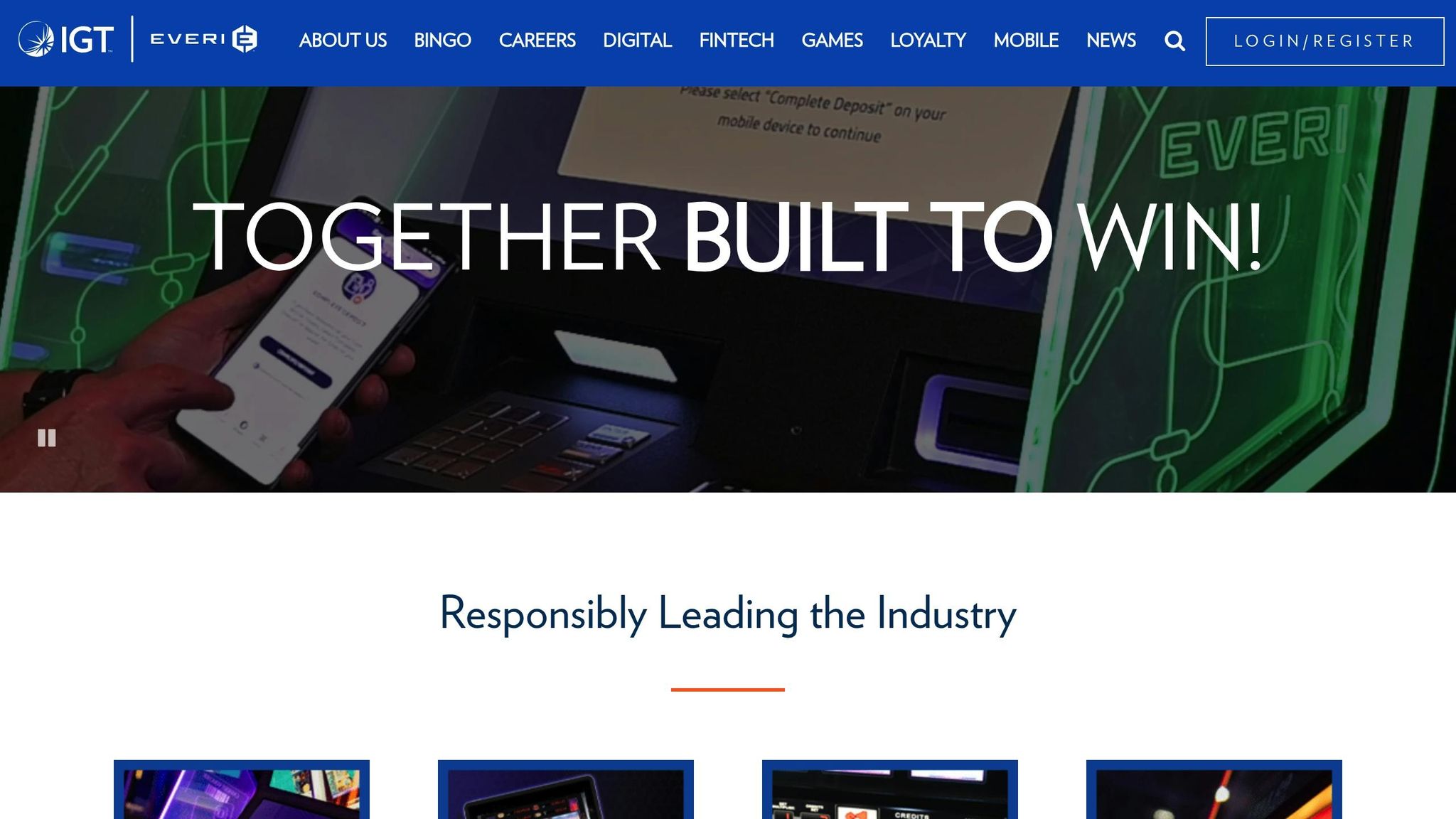
Everi is creating a digital neighbourhood for gamers
Key Technologies Shaping Future Embedded Payments
As online casinos continue to evolve, several cutting-edge technologies are transforming how transactions are handled. These advancements not only simplify payments but also ensure compliance with regulations while enhancing the overall player experience. The rapid pace of innovation is reshaping the way payments are integrated into gaming platforms.
AI-Driven Payment Orchestration
Artificial intelligence is revolutionising payment processing by tailoring personalised payment journeys to individual player behaviours and preferences. By analysing large volumes of transaction data, AI-powered systems optimise routing decisions, reduce failed payments, and improve conversion rates.
For example, modern AI platforms can predict a player's preferred payment method based on past behaviour, instantly presenting the most suitable option. This eliminates unnecessary choices, speeds up deposits, and creates a smoother experience for players.
AI is also enhancing real-time fraud detection. Machine learning algorithms can identify suspicious activity within milliseconds, flagging potentially fraudulent transactions immediately. For operators in Malta, this level of security is essential to meet Malta Gaming Authority (MGA) requirements while safeguarding both casinos and players.
Another key benefit of AI is dynamic routing. If a primary payment processor experiences downtime or high failure rates, AI systems can automatically redirect transactions to alternative processors. This ensures uninterrupted service, especially during peak gaming times when transaction volumes surge.
Additionally, AI enables behavioural analytics, offering insights into how players interact with payment methods. By understanding these patterns, operators can fine-tune payment interfaces, reducing abandonment rates and improving the overall checkout experience.
Cryptocurrency Integration in iGaming
Cryptocurrencies like Bitcoin and Ethereum are gaining traction in the iGaming world, offering advantages that traditional payment methods struggle to match. These digital currencies provide near-instant transactions, greater privacy, and lower processing fees.
One of the standout features of cryptocurrency payments is their borderless nature. Players from different regions can use the same digital currency without worrying about exchange rates or international transfer fees, making them particularly appealing for global audiences.
Speed is another major draw. Cryptocurrency transactions are completed in minutes, enhancing player satisfaction and reducing the chances of withdrawal reversals. However, operators must navigate challenges like price volatility, as the value of cryptocurrencies can fluctuate significantly. Many address this issue by offering instant conversion to stable currencies during transactions.
Compliance is another critical aspect. The MGA has established strict guidelines for handling digital assets, including enhanced due diligence and reporting requirements. Operators must implement robust anti-money laundering (AML) measures and maintain detailed transaction records to meet these standards.
Emerging technologies like smart contracts are also making waves. These self-executing contracts automate payments based on predefined conditions, such as the completion of wagering requirements for bonus funds, streamlining processes for both players and operators.
In-Game Payment Solutions
The future of embedded payments is all about creating seamless, uninterrupted experiences where transactions happen directly within the gaming environment. Single-click deposits are becoming the norm, allowing players to add funds without leaving the game.
Biometric authentication is another game-changer, combining security with convenience. Technologies like fingerprint scanning and facial recognition let players authorise payments quickly and securely, eliminating the need for complex passwords or PINs. This is especially valuable on mobile devices, where most online gaming now takes place.
Complementing biometrics, voice-activated payments are emerging as a hands-free option. Players can authorise deposits or check balances using voice commands, keeping their focus on gameplay. This requires advanced natural language processing to ensure accuracy and security.
Contextual payment prompts powered by AI take personalisation to the next level. Instead of generic deposit options, these systems suggest amounts tailored to the player’s current game, betting patterns, and account balance, making the process more intuitive.
Modern systems also support real-time payment processing, enabling instant micro-transactions. This opens the door to new gaming formats like pay-per-spin slots or tournament fees that are deducted automatically as players participate.
For a more immersive experience, AR-enhanced payment interfaces are starting to appear. These overlay payment options directly onto the game screen, blending transactions seamlessly into gameplay and creating a more engaging environment.
From AI-powered orchestration to cryptocurrency integration and in-game payment innovations, these technologies are shaping the future of embedded payments in online casinos. They not only simplify transactions but also elevate the overall gaming experience, ensuring operators meet both player expectations and regulatory demands.
Regulatory and Compliance Requirements for Embedded Payments
Navigating the regulatory framework for embedded payments in Malta's thriving online casino industry can be challenging. Operators must align with the stringent standards set by the Malta Gaming Authority (MGA) while integrating cutting-edge payment solutions. These regulations not only ensure legal compliance but also promote smoother, more secure transactions that build player trust.
MGA Licensing and Compliance Standards
MGA licensing standards lay out the technical and procedural benchmarks for embedded payment systems. The Malta Gaming Authority serves as the primary regulator for gambling in Malta, ensuring that operators meet high compliance standards. This includes adhering to strict data protection protocols under GDPR and implementing robust anti-money laundering (AML) measures.
To comply with AML requirements, operators must integrate seamless Know Your Customer (KYC) verification processes and adopt risk-based monitoring systems. Embedded payment platforms must also provide detailed audit trails and real-time reporting to meet regulatory expectations.
Technology is a critical ally in maintaining compliance. Advanced algorithms are used to flag unusual transaction patterns, helping operators detect potential money laundering activities. Machine learning enhances this process by identifying suspicious behaviours while reducing false alarms, ensuring legitimate gaming activities remain uninterrupted.
Staff training is equally important. Employees should be well-versed in AML and counter-financing of terrorism (CFT) obligations, as well as in using embedded systems to identify and address questionable transactions.
Adapting to Local Preferences
Embedded payment systems in Malta must cater to local financial practices, starting with the use of EUR (€) as the default currency. All transactions should display amounts with comma-based thousand separators (e.g., €1,000.50) and follow the DD/MM/YYYY date format alongside 24-hour time notation for records and communications.
These systems should also accommodate local banking habits, supporting popular payment methods like SEPA Instant transfers, which are widely used by European players for instant transaction processing.
Language localisation is more than just translation - it involves tailoring communication to reflect Maltese cultural nuances. Payment confirmations, error messages, and transaction summaries should be clear, culturally appropriate, and compliant with regulatory disclosure requirements.
Recent MGA Policy Updates
MGA policies are continually evolving to keep pace with changing financial landscapes. Recent updates have introduced stricter AML requirements, particularly for cryptocurrency transactions. Operators are now required to maintain detailed records of digital asset movements and implement additional verification steps for crypto deposits and withdrawals. These changes affect how embedded payment systems manage multi-currency wallets and handle currency conversions.
The updated regulations also highlight the importance of fostering strong relationships with regulatory authorities. Staying informed about legal updates is essential, as is undergoing regular audits. Independent assessments of AML measures are now mandatory, and operators must promptly address any issues identified during these reviews.
Improving Player Experience Through Embedded Payments
For online casinos, the ease with which players can deposit and withdraw funds is a critical factor in their success. Traditional payment systems often add unnecessary hurdles, but embedded payment solutions solve this by handling transactions directly within the gaming platform. This creates a smoother, more engaging experience that aligns with player expectations for both speed and security.
Speed and Convenience
Players want instant access to their funds, and embedded payment systems make this possible by cutting down on unnecessary steps. By streamlining the deposit process, players can jump into their games with minimal delays. These systems also support a wide range of payment options, including traditional banking, digital wallets, and even cryptocurrency. Importantly, amounts are displayed in EUR using local Maltese formatting, ensuring clarity and familiarity for users.
Security and Fraud Prevention
While speed is important, security is non-negotiable. Embedded payment systems enhance safety by incorporating advanced security technologies. AI-driven fraud detection works in real time to identify and flag suspicious activities, while biometric authentication - like fingerprint or facial recognition - adds another layer of security without complicating the process. Processing payments within a secure, integrated system also limits the exposure of sensitive financial data, aligning with Malta’s stringent data protection regulations. Techniques such as tokenisation further protect card details by replacing them with secure tokens, ensuring financial information remains safe.
Personalised Payment Journeys
Beyond speed and security, embedded payment systems excel at offering personalised experiences. By analysing player behaviour, these systems adapt to individual preferences, whether that’s quick, small deposits or larger transactions for extended gaming sessions. Dynamic interfaces can pre-fill preferred options, making the process faster and more intuitive based on real-time user habits.
A great example of this is Fluid’s AI-powered platform, which refines payment journeys by studying user behaviour. The platform seamlessly integrates with casino branding, reducing friction and boosting conversion rates. It even offers predictive assistance, such as anticipating when a player might need to top up their account, and customises notifications to match individual preferences.
Embedded vs Traditional Payment Systems
When comparing embedded payment systems to traditional methods, the differences are clear, and the advantages of embedded solutions stand out significantly.
Traditional payment systems often redirect players to external pages, require manual configuration for multiple payment options, and struggle to accommodate local financial practices. These interruptions can disrupt the gaming experience, causing frustration and even leading to abandoned transactions. For casinos, this means not only a loss of revenue but also a diminished user experience.
Embedded payment solutions, however, are seamlessly integrated into the casino platform itself. This keeps players within the gaming environment, maintaining consistent branding throughout the entire transaction process. On top of that, these systems bring advanced features like AI-driven personalisation and real-time fraud detection, boosting security and enhancing the overall payment journey.
Comparison Table: Key Metrics
Feature | Traditional Payment Systems | Embedded Payment Systems |
|---|---|---|
Transaction Speed | Involves multiple steps, delaying processing | Direct integration enables faster processing |
User Experience | Requires redirects to external pages | Seamless, single-page transactions |
Compliance Support | Relies on manual compliance processes | Built-in tools to meet MGA regulatory standards |
Fraud Detection | Basic, rule-based systems | AI-driven real-time fraud analysis |
Multi-Currency Support | Limited, often requiring separate integrations | Supports multiple currencies, including EUR |
Integration Complexity | Complex, multi-vendor setups | Simplified integration with reduced development effort |
Brand Consistency | Generic interfaces with limited customisation | |
Mobile Optimisation | Often requires additional mobile solutions | Designed for mobile-first usability on all devices |
Real-Time Analytics | Basic transaction reporting | Advanced insights into user behaviour |
Personalisation | Static payment flows | AI-driven, tailored user journeys |
The table underscores how embedded payment systems streamline processes, improve user satisfaction, and enhance transaction efficiency. Traditional systems frequently experience drop-offs during the payment process due to disruptions, whereas embedded solutions keep players engaged by preserving the gaming environment throughout. This not only supports better conversion rates but also leverages advanced security measures for safer transactions.
Another major advantage of embedded systems is their ability to consolidate various payment needs. Traditional processors often require juggling multiple vendors and compliance setups, which can be cumbersome and inefficient. Embedded solutions simplify this by offering a unified integration point that handles multiple payment methods, currencies, and regulatory requirements simultaneously. This is especially beneficial for operators in Malta, who must navigate the MGA's strict compliance standards and adapt quickly to regulatory updates.
These benefits highlight the growing importance of embedded payment systems in shaping the future of iGaming transactions, paving the way for even greater advancements in the years to come.
Future Trends and Strategies for iGaming Payments
The iGaming payment landscape is shifting quickly, driven by advancements in technology and evolving player expectations. For operators in Malta, staying ahead means adapting to both regulatory changes and cutting-edge innovations.
Emerging Trends in iGaming Payments
Several developments are reshaping how players fund their accounts and interact with payment systems:
Open banking APIs: These enable direct bank-to-bank transfers, bypassing traditional card networks. This not only reduces processing fees but also speeds up transactions. Thanks to the European Union's PSD2 directive, open banking has gained significant traction in Malta and across Europe.
Advanced fraud detection with machine learning: AI-powered systems now analyse data in real time, identifying fraudulent activity more effectively than ever. By continuously learning from new patterns, these tools provide robust protection, a critical factor for Malta's international player base.
Biometric authentication: Fingerprint scans and facial recognition are becoming standard for secure and seamless authentication, aligning with Malta Gaming Authority (MGA) standards.
Cryptocurrency growth: Beyond traditional options like Bitcoin, stablecoins such as USDC and USDT are gaining popularity for their price stability. Additionally, newer blockchain networks offer faster transactions with lower fees. The EU's Markets in Crypto-Assets (MiCA) regulation ensures a clearer framework for crypto use in regulated markets like Malta.
Real-time payment networks: Instant payment systems are replacing older batch processing methods, allowing for near-instant fund transfers. Initiatives like the European Payments Initiative are helping Malta deliver smoother cross-border payment experiences, reducing delays that often frustrate players.
These trends highlight the importance of adopting forward-thinking strategies to keep payment systems agile and efficient.
Strategies for Future-Proofing Payment Systems
To stay competitive, operators should consider the following approaches:
Adopt modular payment systems: Flexible architectures allow for the seamless integration of new technologies and payment methods without overhauling the entire system. This approach cuts costs and saves time.
Focus on mobile-first design: With mobile gaming dominating the market, payment interfaces must be optimised for smartphones and tablets. A smooth, responsive design ensures players enjoy a hassle-free experience on any device.
Leverage data analytics: Tracking metrics like transaction values, conversion rates, and drop-off points provides insights into player behaviour. These insights enable personalised payment experiences that improve overall performance.
Strengthen compliance frameworks: Malta Gaming Authority regulations are constantly evolving, so payment systems must be adaptable. Automated compliance tools can help operators stay ahead by flagging potential issues before they escalate.
Ensure redundancy in payment processing: By using multiple payment processors and backup systems, operators can minimise the impact of outages or technical issues. This proactive approach protects revenue during unexpected disruptions.
These strategies not only address current challenges but also prepare operators for future advancements in the industry.
The Role of AI-Powered Platforms
AI-powered payment platforms bring a new level of efficiency and personalisation to iGaming payments. Here's how:
Tailored payment journeys: AI analyses player preferences, transaction history, and behaviour to recommend the most suitable payment options. This reduces friction and increases conversion rates.
Enhanced fraud detection: Machine learning identifies subtle patterns that might indicate fraud, such as unusual betting behaviours paired with specific payment actions. This ensures both operators and players are better protected.
Consistent branding: AI platforms maintain the casino's visual identity throughout the payment process, avoiding generic payment pages. This keeps players engaged and reduces abandonment rates.
Advanced analytics: Detailed reports on payment performance and player behaviour allow operators to make data-driven decisions. Insights into which payment methods work best and where improvements are needed ensure optimised payment flows.
Conclusion
Embedded payments are reshaping online casinos, turning them into platforms that prioritise seamless, secure, and personalised experiences. In Malta, a leader in the European iGaming industry, operators adopting these advancements are better equipped to adapt to changing regulations and meet player expectations.
Key Takeaways
Speed and Security: Modern embedded payment systems allow players to make transactions directly within games while leveraging AI-driven tools to detect and prevent fraud. The integration of cryptocurrencies adds even more flexibility, especially for Malta’s diverse international audience.
MGA Compliance Simplified: Tailored solutions help operators meet Malta Gaming Authority (MGA) requirements with ease. This not only ensures regulatory compliance but also enhances the overall player experience by reducing operational challenges.
AI-Driven Personalisation: Payment journeys are tailored to individual players, minimising friction and boosting conversion rates. Real-time analytics provide operators with actionable insights to grow revenue, while mobile-first designs ensure smooth experiences across all devices.
These points highlight the transformative potential of next-generation payment strategies in the iGaming sector.
Final Thoughts
The future of iGaming payments lies in platforms that seamlessly blend advanced technology with regulatory compliance and user-focused design. Fluid’s AI-powered solution is a prime example, offering personalised payment experiences, brand integration, and robust fraud prevention to address industry demands.
FAQs
How do embedded payment systems improve the security and compliance of online casino transactions?
Embedded payment systems play a key role in boosting the security and compliance of online casino transactions. By using advanced technologies like AI-powered fraud detection and biometric authentication, these systems help safeguard user data, block unauthorised access, and minimise the risk of fraudulent activities.
Moreover, they align with stringent regulatory standards, such as PCI DSS and GDPR, to ensure secure data management and adherence to both local and international rules. With real-time monitoring and smooth integration into compliance protocols, these systems guarantee that transactions remain secure while meeting Malta’s legal standards for online gaming.
How does AI enhance payment experiences for online casino players?
AI is transforming payment experiences for online casino players by providing tailored solutions that align with individual preferences. Through the analysis of player behaviour, it enables personalised offers, intuitive payment interfaces, and real-time game suggestions, making the entire process smoother and more enjoyable.
On top of that, AI strengthens security and fraud prevention, ensuring that transactions remain safe and trustworthy. By blending speed, personalisation, and strong protection, AI enhances player satisfaction and builds greater trust in the iGaming world.
How do online casinos use cryptocurrencies for payments, and what compliance issues arise?
Online casinos are increasingly adopting cryptocurrencies as payment methods, offering quicker, secure, and often private transactions. Digital currencies like Bitcoin and Ethereum are particularly popular, making it easier for players to deposit and withdraw funds without relying heavily on traditional banking systems. This approach not only simplifies the process but also resonates with tech-savvy users seeking modern payment solutions.
That said, navigating the regulatory landscape is no small feat. Casinos must tackle ambiguous legal frameworks, mitigate money laundering risks, and implement robust security protocols. To maintain trust and comply with regulations, operators must conduct detailed checks on the source of funds and strictly follow anti-money laundering (AML) and know-your-customer (KYC) guidelines. These measures are essential for ensuring a secure and compliant gaming environment.